What's in a name? The story behind XDanu
Why we chose a name rooted in Irish mythology, and how it shapes the places, industries and talent we help grow.
When we chose the name XDanu, I wanted it to say something about what can happen when people have a place to work, a reason to meet and a way to learn from one another. A growing business can find its next collaborator. Someone with years of experience in one field can see how their skills might transfer to another. And companies in the same industry can find ways to take on work together.
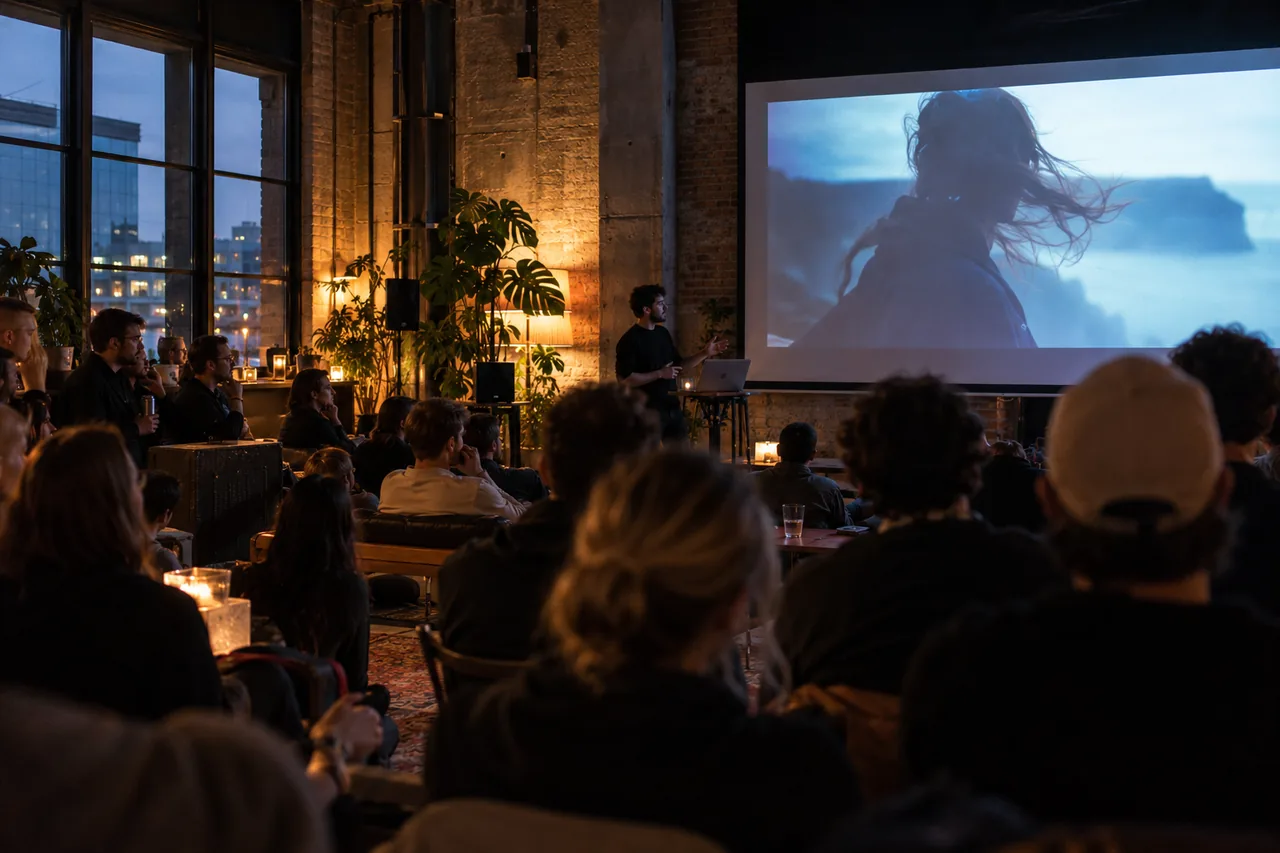
That idea runs through XDanu today. Spaces by XDanu gives businesses a base and a team to support them day to day. We build industry clusters by connecting businesses, talent and specialist partners in the same sector. Through Culture House by XDanu, we bring that approach to the creative and screen industries, linking companies with talent, suppliers and industry partners. And with industry partners, we are developing the Academy to help people build new skills and apply the experience they already have to new kinds of work.
Why Danu?
Our name is inspired by Danu, a mother figure in Irish mythology associated with the Tuatha Dé Danann, a people remembered for their creativity, skill and knowledge. When we were choosing the name, I kept coming back to the imagination in that story: the idea that people with different skills could see possibilities together that each might have missed alone.
The X stands for experience. For us, that means paying attention to what it is actually like to work, learn or take part somewhere, from the welcome people receive to the opportunities they find through others.
We take four ideas from the story of Danu: creation, connection to land, wisdom and transformation. Together they guide how we design, manage and activate places, bringing together community, craft and enterprise.
Creation begins with what people need
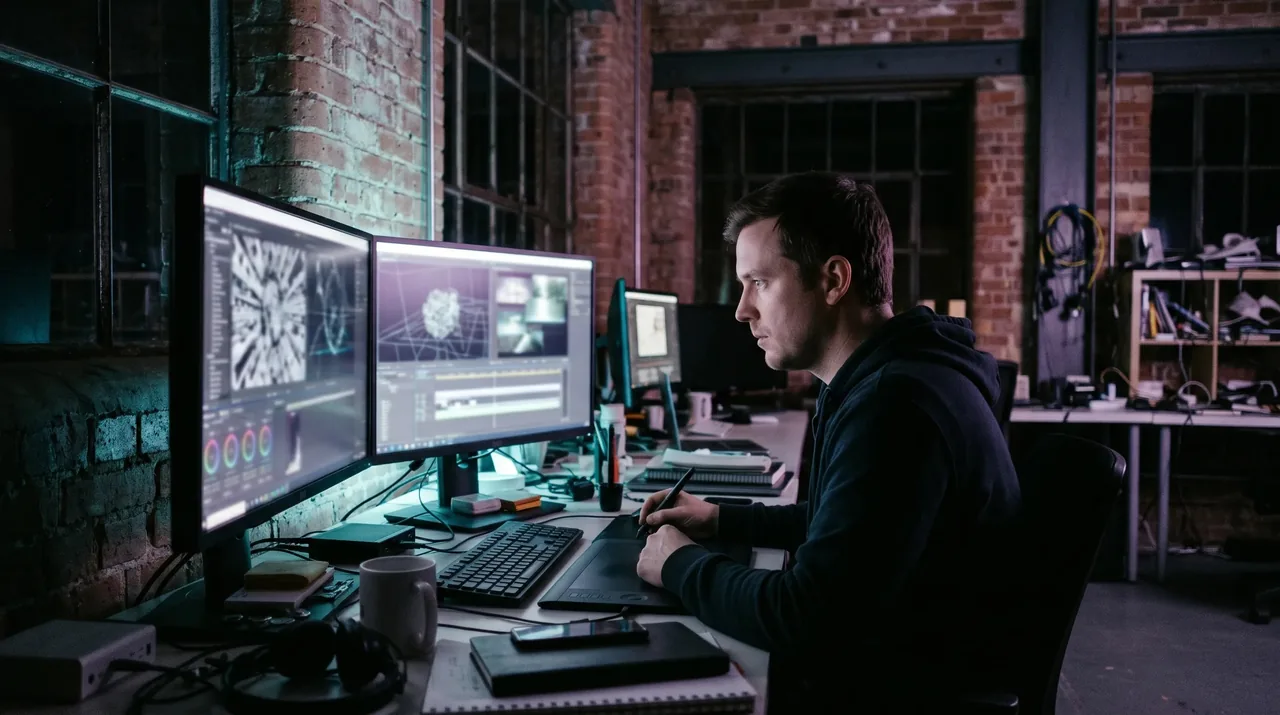
We start by asking what people could do here that they struggle to do today. For a team setting up in Dublin, the answer might be flexible workspace. For an incoming production, it might be finding the right Irish talent or specialist suppliers. For someone already working in sound or post production, it might be a short course that lets them try a new AI tool on a task they know well.
Each need leads to different work. We speak to the people who would use the space, join the network or take part in the training, and to the partners who could help deliver it. What we hear shapes everything from how we run a workspace to the introductions we make and the programmes we develop.
Connection to land starts with the neighbourhood
A place has a life of its own long before we arrive. It has businesses, skills, relationships and a history that shape what can work there. We listen to people who know the area and look for practical ways to build on what they have already created.
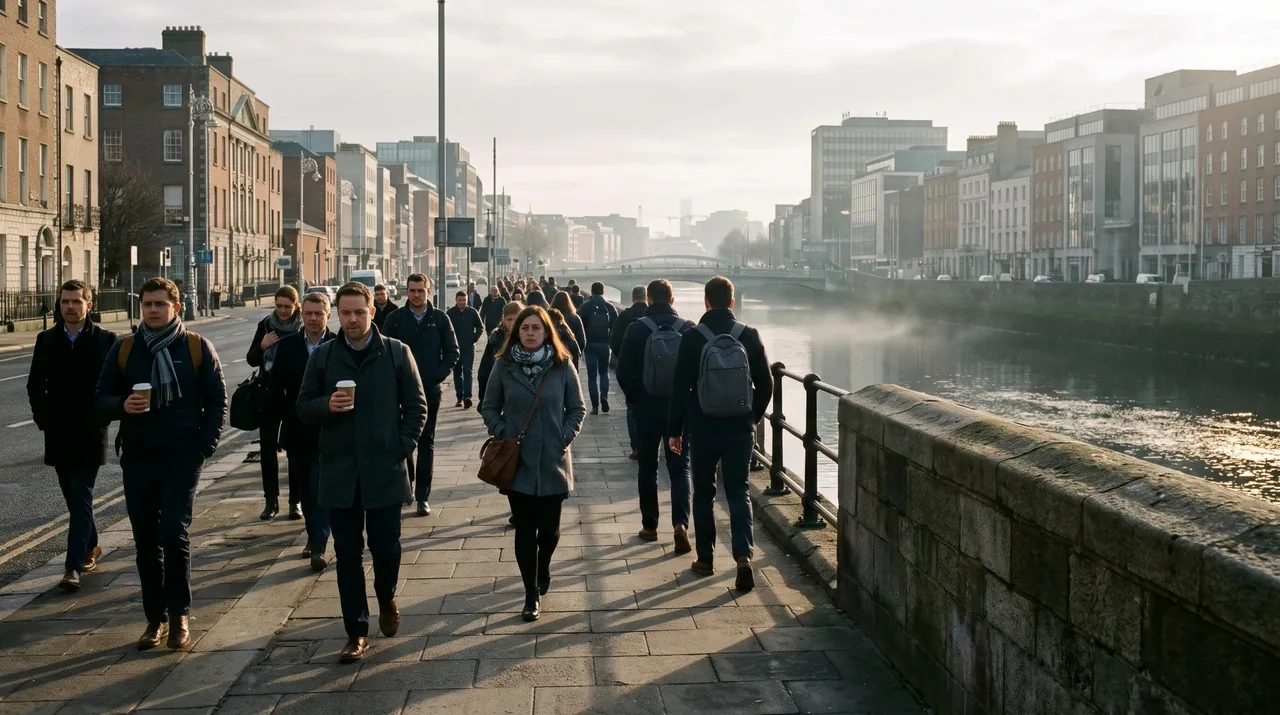
Running workspace in Dublin's Docklands has shown us how a building can support a much wider industry. The relationships that make a screen cluster work stretch across production companies, post production specialists, freelancers, suppliers and educators. Some share a building. Others are elsewhere in the city or further afield. Culture House gives us a way to connect them around the work they do.
Wisdom comes from listening and testing
Sometimes we see the beginnings of an opportunity before there is a clear brief for it. Instinct tells us where to look. Speaking to the people who might use what we are developing tells us what to do next.
For a workspace, that means looking at who will use it, what they will pay for and what it costs to run. For a cluster, it means asking businesses what they struggle to find and where a useful introduction could make a difference. For the Academy, it means working with industry and education partners to understand where short, focused training can help people apply new tools or move into related roles. The people doing the work are often the first to see where a gap is opening up.
Transformation happens through what people do together
We see what is working in the rooms people book again, the events they return to and the introductions they follow up. A conversation at an industry event might lead to a first project together. A growing company might find a specialist through the cluster. Someone trying a new tool might discover that the craft they have spent years developing gives them a head start.
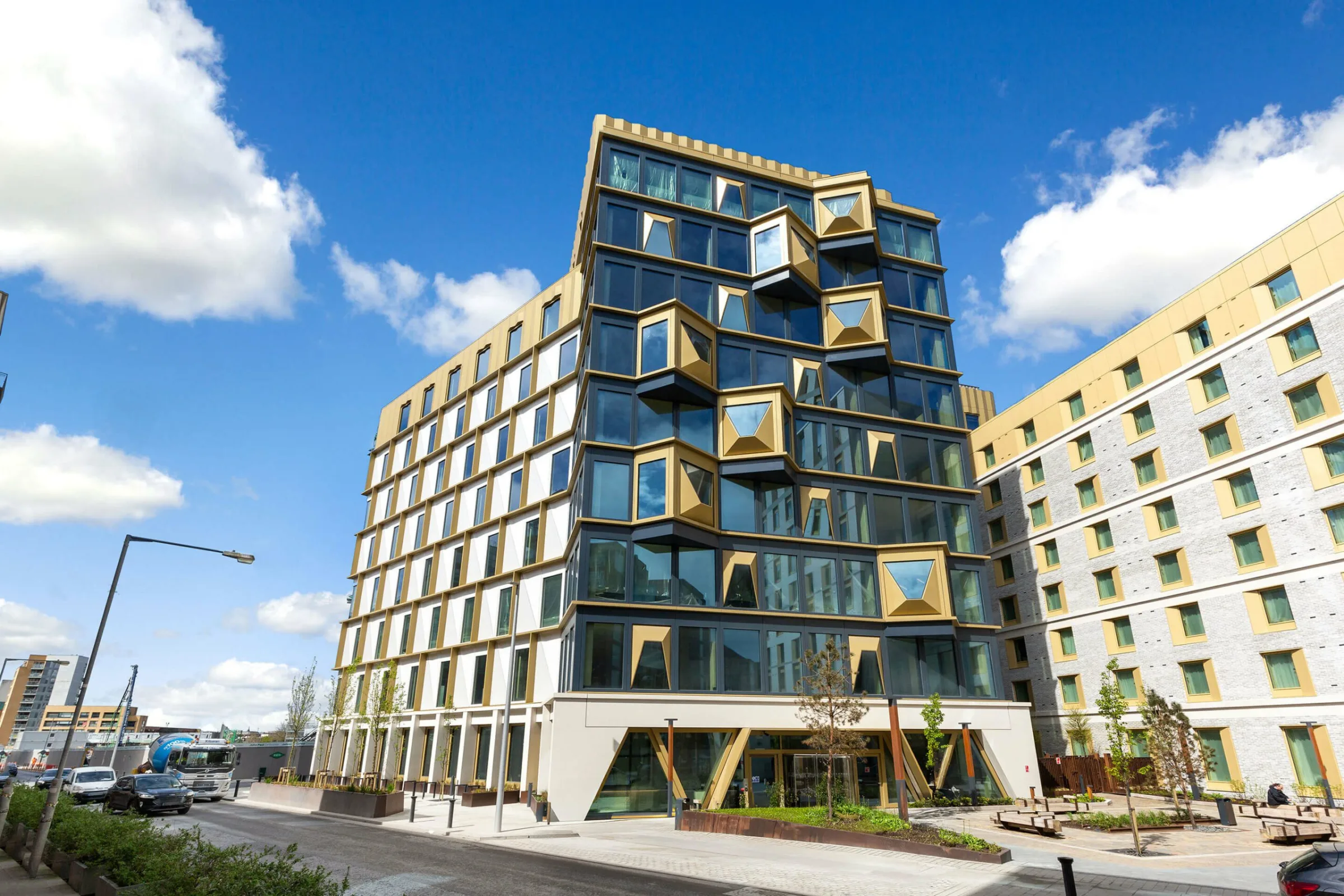
At the Freight Building, a building that was substantially vacant for two years is now approximately 80% occupied across the floors XDanu manages.
That is why we stay involved. Running the space, making introductions and developing programmes give us different ways to respond to what people need next. Over time, those choices shape what a place is known for, and why people choose to come back.
What we want to leave behind
We want owners to have places with a clear purpose and an operating plan they can sustain. We want businesses to find room to grow and people to work with. And we want the places we help bring to life to create opportunities for the communities around them, whether that is work for a local supplier, access to space or a route into an industry.
Years from now, I would like people to remember the room where they won their first client, the introduction that led to a project, or the workshop where they realised their skills could take them somewhere new.
Make Places Matter.
Written by
Edel Flynn