
Dublin’s 5% cultural space requirement: who will make it work?
Dublin’s cultural-space requirements raise a practical question for developers: who will operate the space and keep it active?
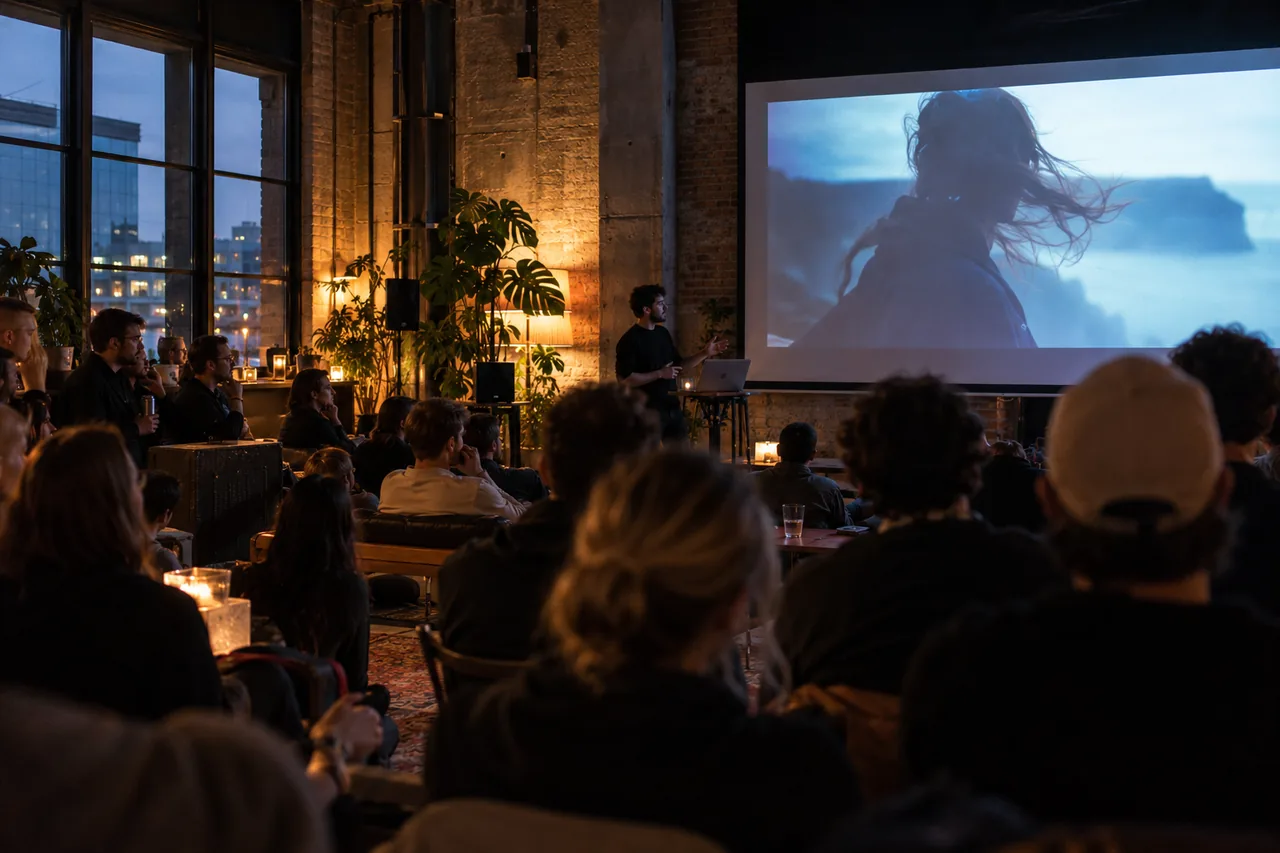
Dublin City Council’s CUO25 requires cultural and community provision in new Strategic Development Regeneration Areas (SDRAs) and developments above 10,000 sq m. Your building has a cultural space. Who is going to run it?
A beautifully finished room can still leave a landlord with an unfinished task. The lights work. The floor is polished. The drawings call it “cultural use”. But who will use it, who will run it, and what will keep it active five years from now?
For landlords and developers, these questions often sit outside their core expertise. Delivering a building and running a cultural space require different capabilities. The latter needs a programme, people, partnerships and an operating budget that works beyond opening night.
It also presents an opportunity. With the right purpose and management, cultural space can serve its community, give a development a distinctive identity and strengthen the appeal of the wider building.
The requirement goes beyond floorspace
Dublin City Council’s Development Plan 2022–2028 includes objective CUO25, requiring a minimum of 5% community, arts and cultural space in new Strategic Development Regeneration Areas and large-scale developments above 10,000 square metres.
The objective calls for predominantly internal space designed around identified need, with the balance of cultural and community uses informed by an evidence base or local audit.
DCC’s Building Culture toolkit encourages developers to identify real demand, design for a defined cultural use and select a delivery model that is sustainable for both developer and operator.
Each development’s permission and conditions will shape the specific obligations. The practical task is to connect those requirements with a use, a programme and an organisation capable of delivering them over time.
Finding an occupier is only part of the answer
A local arts organisation, artist collective or creative business may be exactly the right partner. But securing an occupier does not, on its own, resolve the long-term operation of the space.
Who funds the fit-out and equipment? Who manages bookings, maintenance and public access? Who develops the programme? What happens if the organisation’s funding changes or its needs outgrow the building?
A strong cultural partner needs an agreement and an operating model that support its work. The landlord needs clarity about responsibilities, costs and continuity. Without that foundation, even a promising use can struggle.
The right use matters
Artist studios, rehearsal rooms, film and sound facilities, screening spaces, maker workshops and places for community learning can all have a role. Each will suit some locations better than others.
Choosing a familiar use before understanding demand can create expensive problems later. A studio needs more than an available room. Its suitability may depend on acoustics, ventilation, access, storage, equipment and what its users can afford.
The real test is whether the space meets a genuine need and can sustain its purpose as circumstances change. Opening with an enthusiastic first occupier is a good beginning. Having the management, resources and relationships to keep it active gives it a future.
That resilience also needs to be designed into the space. Markets shift, technologies develop and the needs of cultural organisations and communities evolve. Adaptable layouts and infrastructure can allow activities and occupiers to change without requiring a costly refit each time, while respecting specialist requirements and the space’s approved cultural and community purpose.
The aim is a space that serves its first users well and remains useful to those who come next.
An accountable operator makes the difference
XDanu brings together professional space management, cultural partnerships and cluster activation. We provide the operational capability that makes a facility dependable, alongside the relationships and programming that give people reasons to use it.
As a managed operator, we can work with specialist cultural organisations and delivery partners, giving the owner a clear point of accountability while drawing on the expertise of those delivering the activity.
That includes responsibility for the practical details: access, bookings, marketing, sales, billing, staffing, maintenance, budgets and reporting. It also means keeping the cultural purpose and the financial realities connected.
A sustainable operation needs clarity about what it costs, how it is funded and who is responsible for delivery.
Where clusters add value
A cultural space can become more valuable when it connects to a wider community of practitioners, businesses, education providers and programme partners.
A sound studio, for example, can benefit from connections with producers, post-production specialists, training opportunities and relevant events. Those relationships can help attract users, support collaboration and establish an identity for the location.
A well-developed cluster can also reduce dependence on a single occupier and strengthen the appeal of nearby commercial space. These benefits take active coordination and time to build.
Not every cultural space needs a sector cluster. What matters is having the expertise to recognise the opportunity and the capability to make it work.
Experience behind the offer
At The Freight Building in The Point Village, our serviced workspace is over 80% occupied. Alongside that operation, we have been developing a film, media and technology community as one magnet for the wider building.
Our workspace welcomes companies across sectors. The combination of professional operations, shared facilities and business connections has also helped strengthen the building’s appeal to occupiers beyond our serviced space.
Through XDanu Culture House, we are developing the next stage: connecting creative workspace with programming, skills development and industry partnerships.
This work draws on my experience of growing workspace operations internationally and leading the Digital Hub Development Agency. It brings together two disciplines cultural spaces need: running facilities professionally and developing the relationships that make a place valuable to its users.
What this means for owners
Working with XDanu gives landlords and developers a clear purpose and credible operating plan for their cultural space; an accountable management partner coordinating specialist delivery; a realistic view of costs, income and any ongoing support required; clear reporting against the agreed programme and relevant planning conditions; and a team focused on making the space contribute to the wider development.
We can support projects at design stage or help give an existing cultural space a clearer direction.
Let’s talk about your space
If your development includes cultural or community space and you are unsure what comes next, talk to XDanu. Bring the floor plan, the planning conditions and the question you have been putting off. Our urban regeneration and cluster activation team can help you turn an allocated space into an active, well-managed part of your development.
Written by
Edel Flynn