A building’s business plan should start with the businesses inside it
Why business needs should shape a building’s workspace, services and commercial plan from the outset.
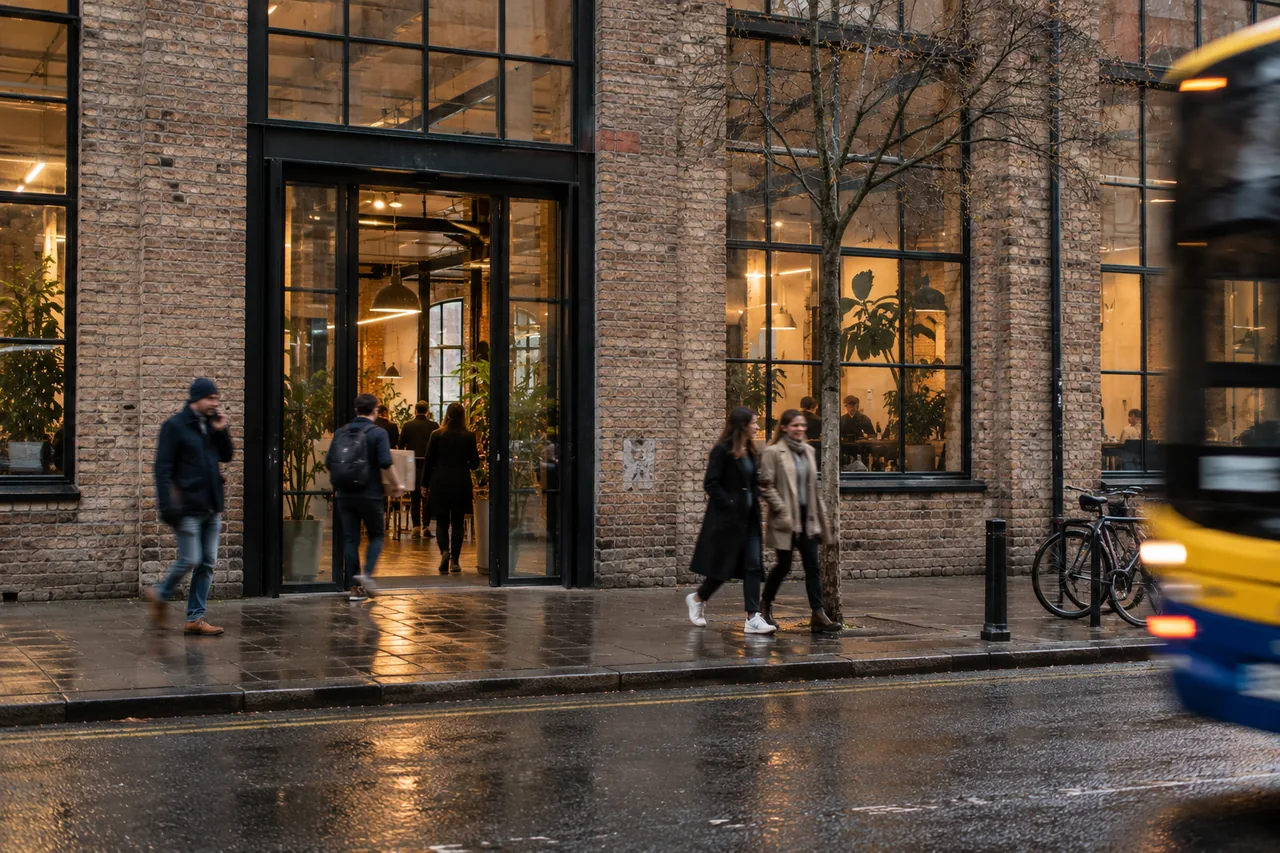
When a company views an office, the conversation rarely stays with the office for long. It moves to recruitment, projects that might grow, how often colleagues travel to Dublin, where clients will meet them and whether there is somewhere suitable for the whole team to come together.
These conversations reveal what the company needs the space to do. They should also help shape the business plan for the building.
In my experience, that connection is often made too late. The space has been designed, the facilities agreed and the commercial offer settled before anyone has properly explored the businesses it could serve. There is an opportunity to bring those decisions closer together.
Listen for the need behind the enquiry
A request for ten desks might come from a business establishing its first Irish presence. It might be a project team needing space for six months, or an established employer reconsidering how its people work. The desk requirement looks similar. The support each company needs can be very different.
One may need introductions to local partners. Another needs room to expand quickly. A third needs dependable meeting facilities and someone who can help when its team arrives from overseas.
Understanding those differences helps us make better decisions about the workspace, the service and the relationships around it. It also helps us recognise when a building could meet a need that businesses are struggling to address elsewhere. That is where a more distinctive offer begins.
Give the building something useful to contribute
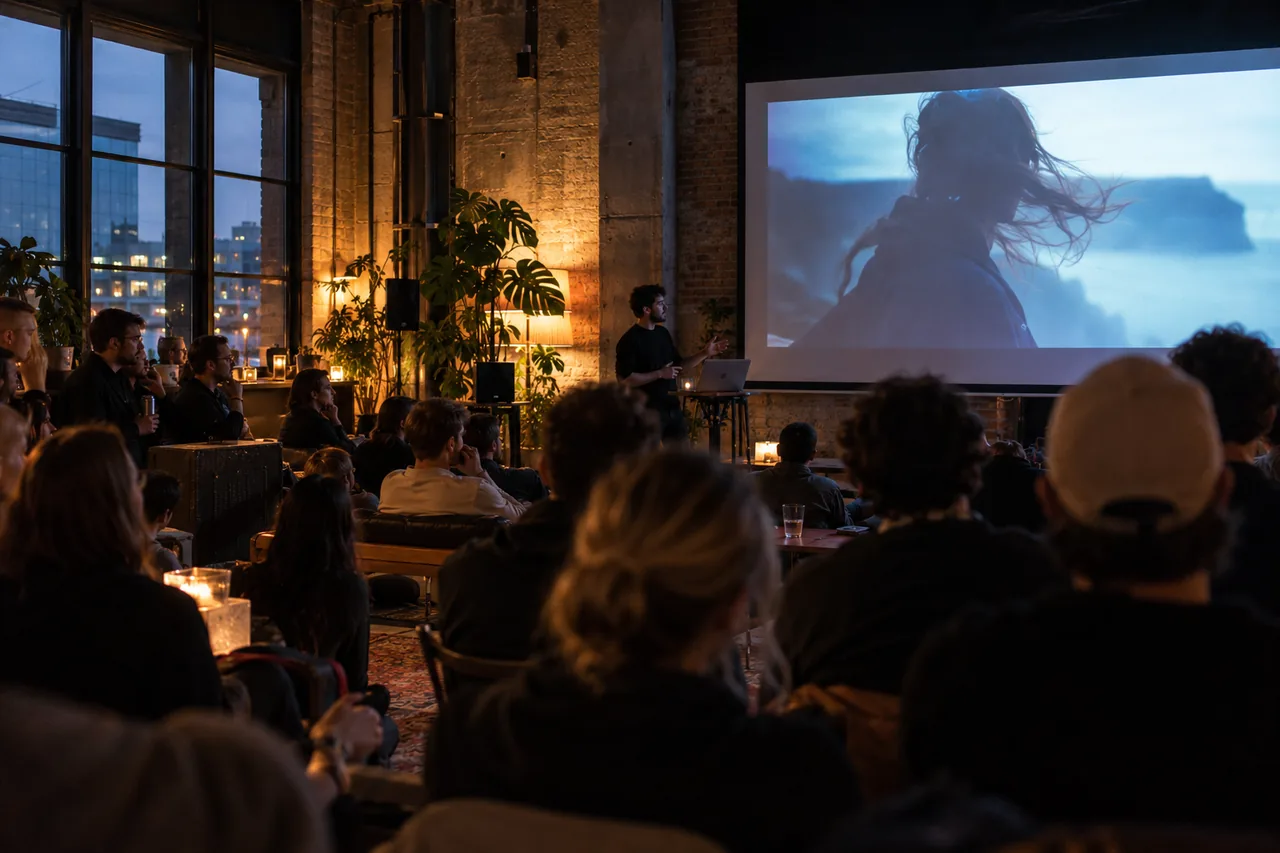
At The Freight Building in The Point Village, film, media and technology became one focus for developing that offer. We saw an opportunity to connect businesses with relevant expertise, facilities and industry relationships. Building that community gave companies an additional reason to consider the location.
Our serviced workspace welcomes companies across sectors. The creative community is one magnet within a broader offer, combining flexible offices and everyday operational support with shared facilities including meeting rooms, content creation rooms, a podcast studio and editing suites.
Today, the serviced space XDanu operates is over 80% occupied. Our activity has also helped strengthen the wider building’s appeal, supporting the landlord in attracting occupiers to directly leased space.
That distinction matters. We operate one part of the building, while the activity and services we develop can contribute to the attractiveness of the whole.
Make room for the operator’s knowledge early
Running workspace teaches you things that are difficult to see on a floor plan. You learn which rooms are consistently requested, where privacy is missing and what happens when several teams arrive at once. You hear why a prospect chooses somewhere else. You discover which services people value enough to pay for, and which features attracted attention on a tour but see little use afterwards.
That knowledge should inform decisions before money is committed. Bringing operational experience into an early discussion can influence the balance between private and shared space, how visitors move through a building, what staffing is needed and whether the proposed services are commercially realistic.
It also creates an opportunity to ask a harder question: can we deliver this offer consistently at a cost the business can sustain? An attractive concept needs a workable answer.
Community needs a commercial purpose
I believe strongly in the value of connections between businesses. But putting “community” in a brochure creates an obligation to explain what it means in practice.
For an occupier, it might mean meeting a supplier who solves a problem, finding a collaborator or accessing training that helps its team develop. Sometimes it simply means knowing someone is available who understands the business and follows through. Those outcomes require time, relevant relationships and clear responsibility.
The programme also needs to suit the people in the building. A busy company does not need more invitations for the sake of activity. It needs opportunities worth making time for.
For the owner, that work should have a commercial rationale: stronger enquiries, useful differentiation, additional income where appropriate and more reasons for occupiers to remain.
Let everyday experience improve the offer
A building’s operating plan should develop as we learn. Enquiries, bookings, feedback and renewals all provide evidence. If prospects repeatedly ask for something we cannot offer, we need to understand whether it represents a viable opportunity. If a facility is rarely used, we need to investigate why.
Sometimes the answer is a practical adjustment. Sometimes it requires a different service or a new delivery partner. Occasionally, it means accepting that an idea has not worked. The discipline is to connect what we hear with the decisions we make, and then check whether the change helped.
A closer relationship between owner, operator and occupier
My experience of opening and operating workspaces internationally has taught me that the relationship after move-in deserves as much attention as the transaction before it.
Owners need sustainable income and confidence in the asset. Occupiers need space and support that work for their businesses. Operators have a role in connecting those interests through an offer they can deliver every day.
At XDanu, that is where we focus: understanding what businesses need, identifying what a location can contribute and building the operation around it.
For an owner considering the next chapter of a building, I would start with this question: which businesses could thrive here, and what would we need to put in place to help them do so? The answer can shape far more than the next letting. It can shape the future of the building.
Looking for a managed workspace partner who brings more than serviced office expertise? XDanu combines day-to-day operations with urban regeneration and cluster activation to attract businesses, build connections and strengthen your building’s commercial appeal. Get in touch to explore how our team could give your building the edge it needs.
Written by
Edel Flynn